 4811 S Arrowhead Dr, Independence, MO 64055


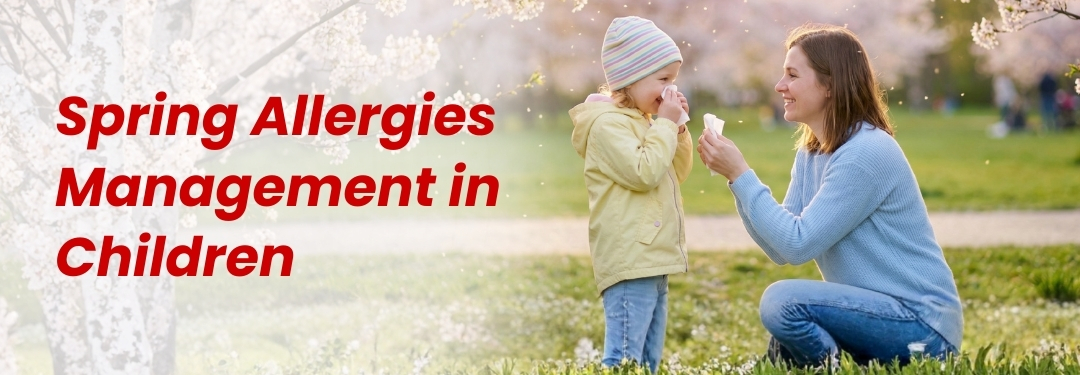
As the flowers begin to bloom across the landscape, spring brings more than just warmer weather and longer days. For many families, it also marks the beginning of allergy season. While we want our kids outside playing and enjoying the sunshine, seasonal allergies in children can quickly turn a fun afternoon at the park into a cycle of sneezes, itchy eyes, and restless nights.
At Stadium Pharmacy, we believe that understanding the triggers and symptoms is the first step toward reclaiming spring. Here is everything you need to know about managing seasonal allergies in your little ones.
How to Identify if it’s a Cold or Seasonal Allergies in Children?
It can be difficult for parents to distinguish between a lingering winter cold and the onset of seasonal allergies. However, seasonal allergies in children typically follow a specific pattern. Unlike a virus, allergies do not cause a fever or body aches.
Watch out for these common signs that are indicative of seasonal allergies:
- Children often rub their noses upward with their palms to relieve itching, which can create a small crease across the bridge of the nose.
- Dark, puffy circles under the eyes caused by increased blood flow near the sinuses.
- A runny nose from allergies usually produces clear, thin mucus, whereas a cold often results in thicker, yellow, or green discharge.
- Frequent sneezing, especially after spending time outdoors.
Why Allergens Trigger a Reaction?
When your child has an allergy, their immune system overreacts to harmless substances like tree or grass pollen. Their body produces histamine to fight off the invader, which leads to inflammation in the nasal passages and eyes. During spring, tree pollen is usually the primary culprit, followed by grass pollen as we move into early summer.
Simple Ways to Minimize Allergen Exposure at Home
While you can’t control the air outside, you can take these strategic steps to reduce the amount of pollen that enters your child’s environment at home:
- Monitor Pollen Counts: Check local weather reports for daily pollen levels. On days when counts are high, such as on dry, windy mornings, try to keep children indoors during peak pollen hours (usually between 5:00 AM and 10:00 AM).
- Maintain an Entryway Protocol: Pollen is sticky, which is why it hitches a ride on hair, skin, and clothing. When your child comes inside after playing outdoors, follow these steps:
- Have them change their clothes immediately.
- Habituate them to have a quick hair wash before bed.
- Train them to leave their shoes at the door.
- Keep Windows Closed: Although it’s tempting to let in the fresh spring air, avoid doing so as open windows act like a vacuum for pollen. Use an air conditioner with a high-quality HEPA filter to keep your indoor air clean and cool.
- Monitor indoor humidity levels: Use a hygrometer to maintain your home’s humidity levels between 40%-50%. If levels are higher, they can increase mold growth on moist areas.
- Wipe off moisture from hidden allergen spots: Mold builds up on moist areas in the house. Some typical spots include drip pan and door seals of the refrigerator, windowsills and leaves of indoor plants. Make sure to wipe these clean to prevent mold build-up.
Treatment for Seasonal Allergies in Children
Despite taking all these precautionary measures, sometimes seasonal allergies are inevitable in children. To ease the discomfort caused by pollen allergies in children, you can use the following methods:
- Over-the-Counter (OTC) Solutions: Modern pediatric allergy medications are highly effective. Non-drowsy antihistamines (like loratadine or cetirizine) can help block the histamine response. Nasal corticosteroid sprays are also excellent for reducing long-term inflammation, though they often take a few days of consistent use to reach full effectiveness.
- Saline Rinses: A simple saline spray or rinse can help physically wash pollen out of the nasal passages. This is a drug-free way to provide immediate, cooling relief for a stuffy or itchy nose.
- Eye Drops: If your child suffers from itchy, watery eyes, specialized pediatric antihistamine eye drops can provide relief that oral medications might miss.
When Should You Consult a Pediatrician?
If your child’s symptoms are interfering with their sleep, schoolwork, or causing wheezing, it may be time to consult a professional. Chronic seasonal allergies in children can sometimes lead to secondary issues like ear infections or sinus infections. An allergist can perform skin or blood tests to identify exactly which plants are causing the reaction, allowing for more targeted treatment like allergy shots.
Navigate Pediatric Health Issues with Stadium Pharmacy
Managing the sudden onset of allergies or other seasonal illnesses in your children can be overwhelming for any parent. At Stadium Pharmacy, we are more than just a place to pick up a prescription; we are also your local health resource. Our pharmacists are always available to help you choose the right dosage and form of treatment for your child’s age and weight.
We also offer a range of personalized services including Pill Packs, Medication Synchronization, Diabetes Specialized Care and Pharmacist Consultation Services. For enhanced customer convenience, we also offer Home Delivery to residents of Independence, MO and nearby areas.
Stop by Stadium Pharmacy today to speak with our staff about the best options to manage your family’s health needs. You can also contact us at 816-356-4600 for further clarifications about our services.